





















World Stroke Day 2023: When a stroke happens, it affects the sufferer in many aspects. They carry a high risk of many health conditions along with death, depending on the type of stroke. From experiencing vision loss, and difficulties in speech and movement, to confusion and paralysis, stroke survivors can experience several health conditions.
According to the World Health Organization (WHO), annually, 15 million people worldwide suffer a stroke. Of these, 5 million die and another 5 million are left permanently disabled, placing a burden on family and community. Stroke is uncommon in people under 40 years; when it does occur, the main cause is high blood pressure.
In a conversation with Jagran English, Dr Shruti Satish Vadke, Associate Consultant – Neurology, Manipal Hospitals, Pune – Baner explained how stroke affects an individual’s life and his/her mental health.
Watch the video below about how diabetes can be a risk factor for stroke:
According to Dr Vadke, a stroke can cause physical disabilities, for example, a person after a stroke might develop at one side of the body, which might prevent him/her from using one hand or cause difficulties in walking due to weakness. There also might be difficulties in speaking or in vision. However, there is quite less awareness about the mental health challenges that might be an aftermath of strokes. Stroke and recovery from stroke can affect mood and personality in many ways.
ALSO READ: World Stroke Day 2023: From Prevention To Chances Of Recovery From Stroke | All You Need To Know
About one in three people develop depression during stroke recovery. Few of these people can also develop a major depressive disorder and the symptoms of depression can be bad enough to affect the person’s daily functioning.
Symptoms Of Depression With Stroke
Common symptoms of depression in stroke recovery include feelings of worthlessness, sadness, lack of sleep, reduced appetite and lack of energy. Apart from depression, there can be other changes in mood such as excessive irritability or impatience. Sometimes specific types of stroke may cause an uncontrolled expression of emotions that may seem inappropriate in the social context. This is medically termed as emotional liability or emotional incontinence. Some patients experience withdrawal and interact less with others.
Strokes can also cause cognitive problems which are problems in processing thoughts and making judgements. All these mental health issues can severely affect the quality of life of the patient as well as the life of the caregiver.

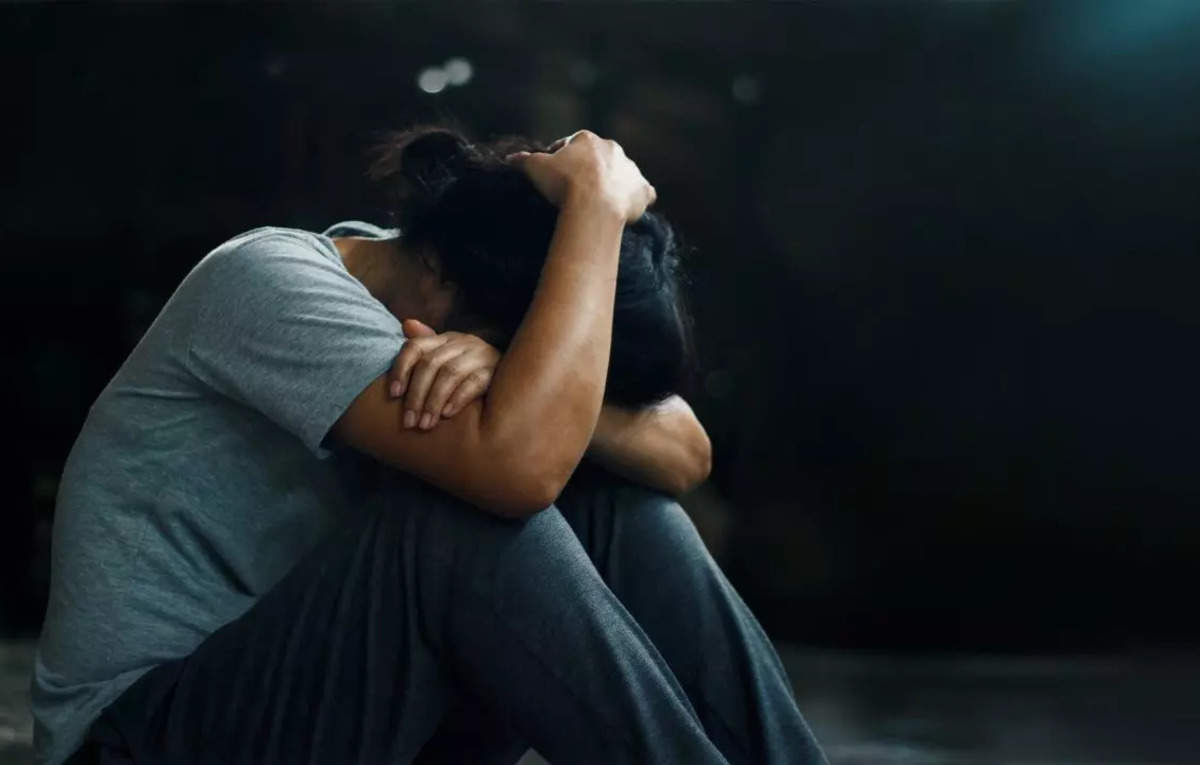
Experiencing a stroke can affect the overall health and well-being of an individual (Image Credits: Canva)
How To Deal With Depression After Stroke
The recovery of the patients after a stroke is usually a long process and the above-stated problems can also affect the recovery process. The patient may not be motivated enough to follow the recovery regimen due to depression. But there is always a reason for optimism. Depression with stroke usually gets better in people over time. There are several methods that can help in coping with emotional distress after a stroke. The first is to recognise the symptoms, address the mood changes, engage in social activities and develop realistic goals.
ALSO READ: Preventing Strokes: Why Education and Lifestyle Changes Matter | World Stroke Day 2023
The next important strategy is to encourage the patient to be as active as possible. It is also essential to educate the caregivers about the normal mood changes which happen after a stroke so that the caregivers do not feel that the patient is being unnecessarily stubborn or mean and they are well-equipped to handle these mental changes after a stroke.
(Disclaimer: This article is for informational purposes only. It is not a substitute for professional advice, diagnosis or treatment.)