



















A diet high in sugar has been linked to everything from high blood pressure, to weight gain, fatty liver disease and even type 2 diabetes – so is a sugar-free diet something we should be considering?
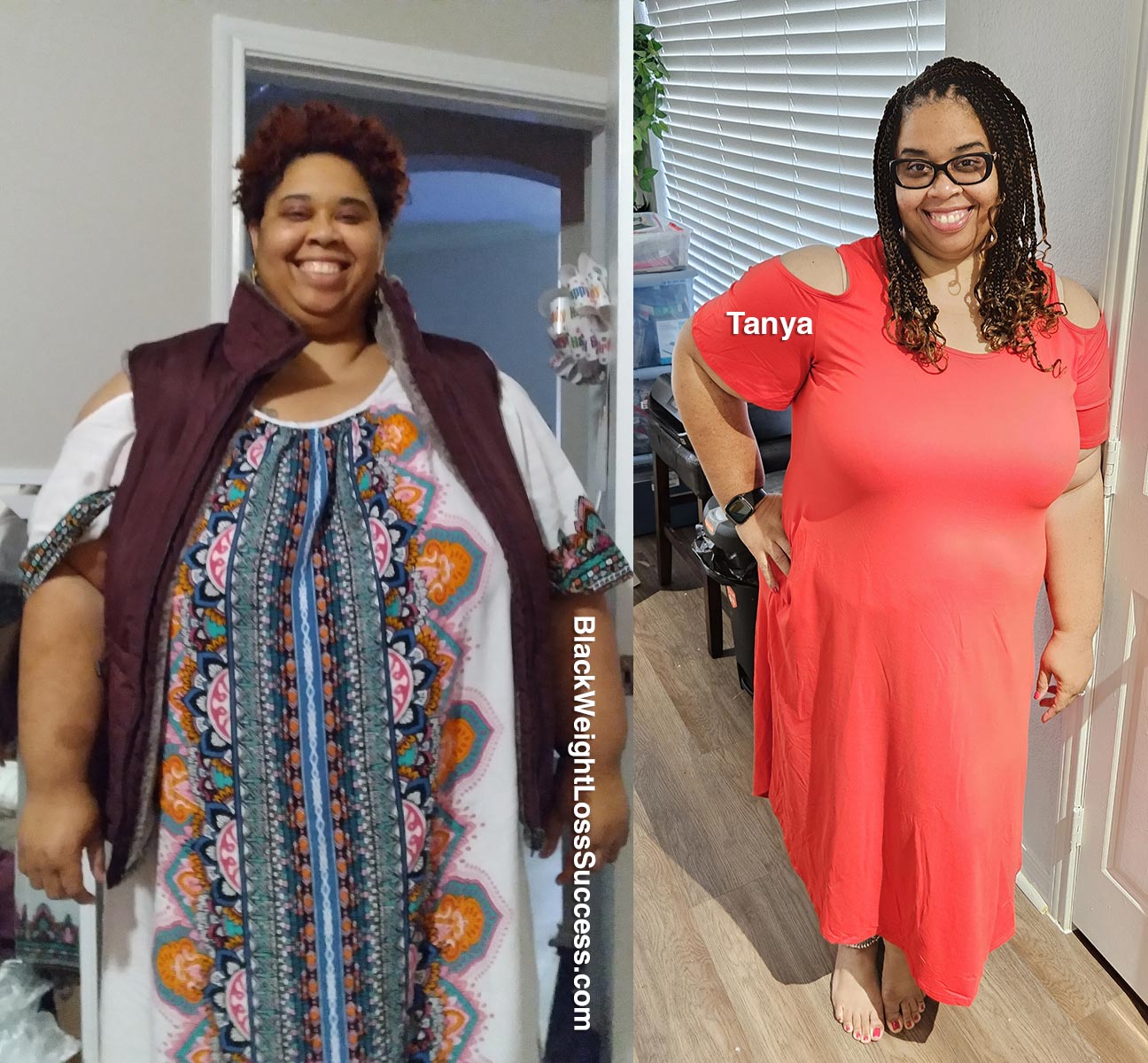
Celebrities such as Kourtney Kardashian, Kate Bosworth and Kate Hudson have all praised the benefits of a sugar-free diet over the years, and former Big Brother star Chantelle Houghton has said cutting out sugar helped her lose five stone.
“I’m sugar-free and I don’t eat any processed food, just really healthy, eating the right foods, getting the right nutrients. I feel so much better, health-wise, mind-wise and body-wise,” Houghton recently told The Sun.
Health: Read more
A study published in the British Medical Journal this year found that a high consumption of sugar has 45 negative health effects including cancer, tooth decay and depression.
A separate study of nearly 10,000 Brits found that free sugars, which is the term used for food and drink containing added sugar, makes up more than 10% of our daily diets. The study concluded that reducing the intake of free sugars could result in ‘substantial’ public health benefits.
With TikTok searches for ‘sugar-free’ reaching over 1.2 billion views, it’s a diet that’s set to get more and more popular – but what does it entail and what are the benefits?
What is a sugar-free diet?
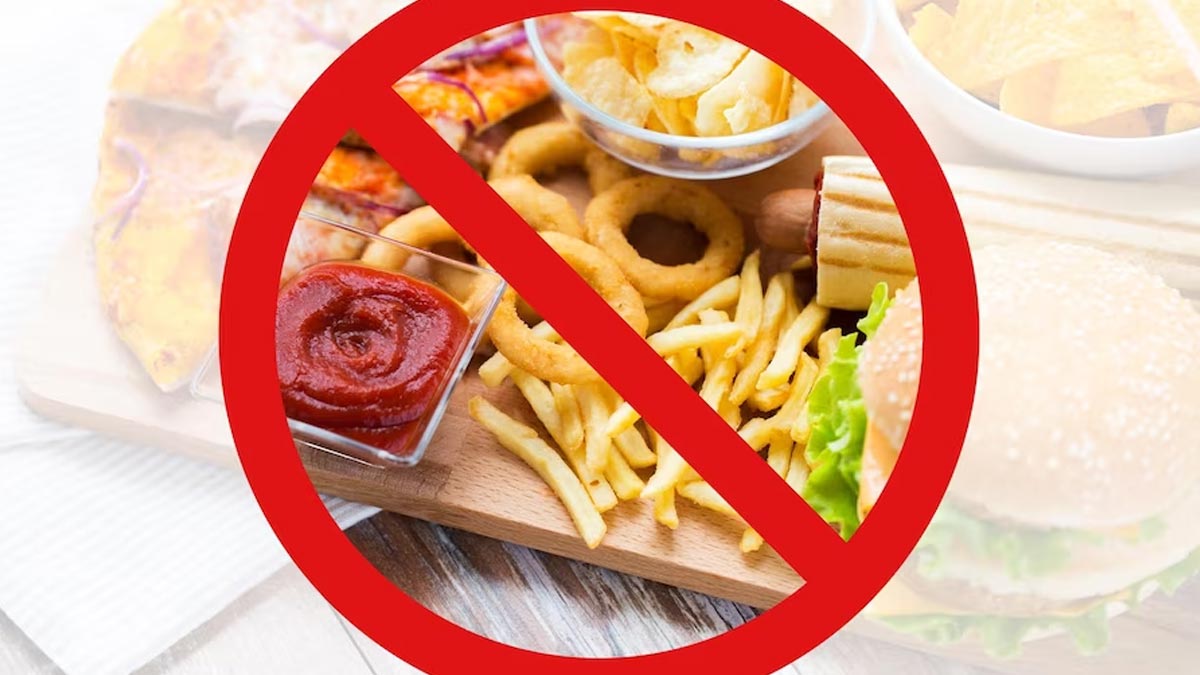
When someone says they are following a sugar-free diet, this generally means that they have either eliminated or significantly reduced their consumption of free or added sugars.
“The level of strictness can vary from person to person, depending on their goals and preferences,” James Bickerstaff, Nutrition Coach at OriGym tells Yahoo UK.
“It’s important to note that natural sugars found in whole foods like fruits and vegetables are not typically considered harmful when consumed in moderation, as they come with essential nutrients and fibre. However, some individuals with certain health conditions, such as diabetes or obesity, may choose to limit their intake of natural sugars as well.”
Is a sugar-free diet safe?
While a sugar-free diet is safe for most people, Bickerstaff says its essential to consult with your GP or a healthcare professional before making any drastic changes to your diet.
“This will allow you to ensure that this diet is safe and appropriate for your individual health and goals,” he adds.
Sugar-free diet benefits and drawbacks
A diet free from refined sugar comes with a slew of health benefits, but also several drawbacks.
“Eliminating added sugars can help control calorie intake, reducing the risk of obesity,” Bickerstaff explains.
“Other potential benefits include weight management, reduced risk of type 2 diabetes, improved dental health, stabilised blood sugar levels, and decreased inflammation.”
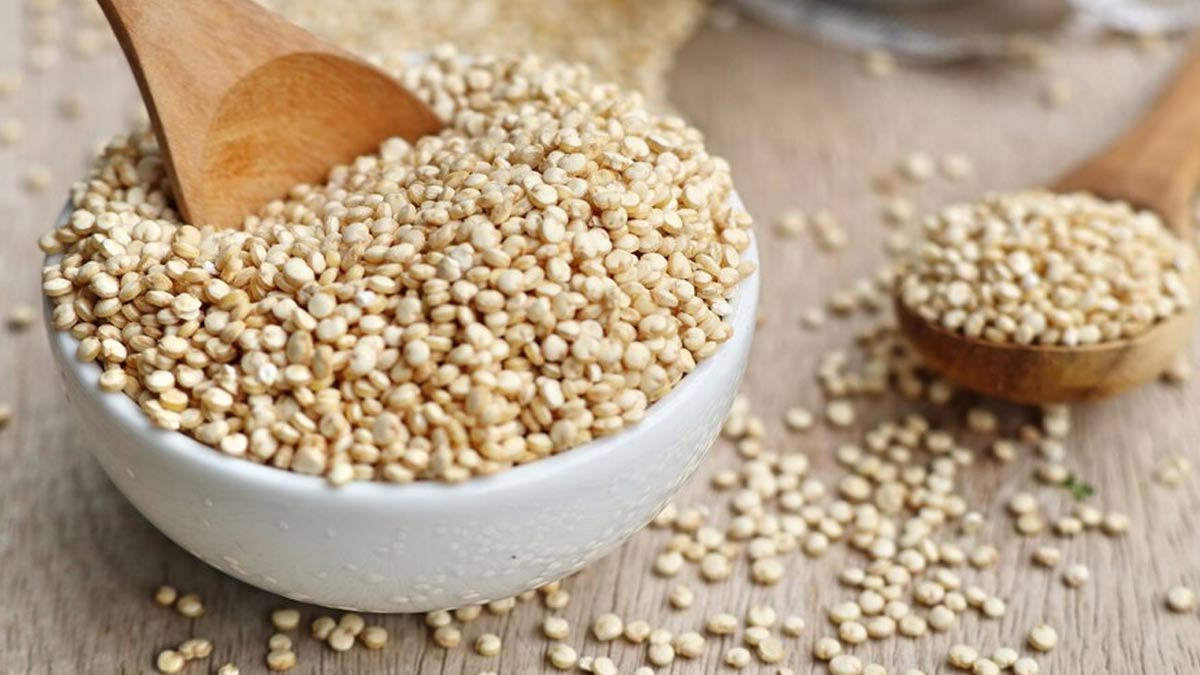
If you are considering cutting out free sugars, Bickerstaff advises replacing these with “whole, nutritious foods to ensure a balanced diet”.
However, he warns that a sugar-free diet that is not planned correctly could potentially result in some nutrient deficiencies.
“As you might expect, people do also experience initial energy fluctuations and challenges in adhering to such a strict diet, especially in social situations such as dining out,” he adds.
A sugar-free diet could also be beneficial to people who have diabetes or who are insulin resistant, but Bickerstaff says that “it’s crucial to maintain a balanced diet, monitor carbohydrate intake, and seek guidance from healthcare professionals as an individualised plan may be necessary”.
How to remove sugar from your diet
If you’ve decided you want to give a sugar-free diet a go, the best way to start is slowly.
“Gradually cutting back on sugary foods and beverages while incorporating healthier alternatives, like whole fruits and complex carbohydrates, can make the transition smoother, more sustainable, and minimise initial energy dips,” Bickerstaff says.
“Anyone who wants to try a sugar-free diet should consult with a professional who can then help them determine if such a diet aligns with their goals and advise on the best way to go about this.”
Watch: Type 2 diabetes: ‘Life-changing’ mobile phone technology to help hundreds of children manage disease