




























Key Takeaways
- Proper Hydration Enhances Sleep Quality: Adequate fluid intake, particularly water, is essential for optimal sleep quality. Being well-hydrated allows your body to function optimally during sleep, restoring chemical balances and promoting restful, deep sleep throughout.
- Poor Hydration Leads to Poor Sleep: Insufficient water intake can negatively impact sleep quality, leading to feelings of fatigue and daytime sleepiness. It can disrupt your natural sleep cycle, making it difficult to fall asleep and stay asleep.
- The Connection Between Dehydration and Sleep Disruptions: Dehydration during sleep can lead to discomfort, muscle spasms, and an increased risk of waking up during the night. Maintaining proper hydration levels and avoiding excessive fluid intake before bedtime are crucial for uninterrupted, restful sleep.
Are you struggling to get a good night’s sleep? Did you know that your hydration levels could be playing a role? Dehydration can have a negative impact on your sleep quality, causing symptoms like dry mouth and headaches.
On the flip side, poor sleep can also lead to dehydration as hormone regulation is disrupted. But don’t worry, there are ways to avoid this vicious cycle. In this article, we will explore how proper hydration is essential for better sleep and provide tips on staying hydrated throughout the day and night.

The Relationship Between Hydration and Sleep
Proper hydration is essential for maintaining good, high quality sleep, and staying hydrated can improve your sleep by eliminating the disruptive effects of dehydration. When you are well-hydrated, your body can function optimally during sleep, allowing it to restore chemical balances and promote a restful night’s sleep. Adequate fluid intake, particularly drinking water, plays a crucial role in ensuring that you have a good sleep experience.
When you don’t drink enough water, it can negatively impact your sleep quality. Poor hydration can lead to poor sleep, which may result in feelings of fatigue and daytime sleepiness. Sleep deprivation caused by inadequate fluid intake can disrupt your natural sleep cycle and make it difficult for you to fall asleep or stay asleep throughout the night.
Additionally, dehydration can worsen conditions such as obstructive sleep apnea. It can contribute to dry mouth and nasal passageways, causing discomfort and potential snoring during sleep. By prioritizing hydration and ensuring that you drink enough water throughout the day, you can support a healthy sleep cycle and improve your overall sleep quality.
Remember to stay hydrated by regularly drinking water not only during the day but also before bed. This will help prevent nighttime thirst that could disrupt your sleep. By making hydration a priority, you can create an environment conducive to better sleep and wake up feeling refreshed in the morning.
How Poor Sleep Can Lead To Dehydration
We have discussed how dehydration, however, poor sleep can actually lead to severe dehydration too, causing a vicious cycle. When you don’t get enough sleep, it can impact your body’s hormone regulation and impair fluid balance. This can result in inadequate hydration, leading to symptoms such as a frequent urge to urinate if you end up with kidney or bladder issues, muscle cramps, and even headaches.
Sleep deprivation can also disrupt your body’s natural circadian rhythm and interfere with water retention. In fact, studies have shown that those who sleep 6 hours or less have higher rates of dehydration. So it’s important to prioritize both hydration and sleep for optimal overall health.
To avoid this problem, make sure you stay hydrated throughout the day by regularly drinking water. Start your day with a glass of water to kickstart hydration. Keep a refillable or reusable water bottle somewhere nearby to monitor your fluid consumption.
In addition to staying hydrated, practice good sleep hygiene by establishing a consistent sleep schedule and bedtime routine. Create a comfortable sleep environment with a supportive mattress and maintain a cool temperature in your bedroom.
Signs You May Not Be Drinking Enough Water
If you’re feeling thirsty throughout the day, it could be a sign that you’re not drinking enough water. Staying hydrated is crucial for a restful night’s sleep. Dehydration can lead to various issues such as dry mouth, which can disrupt your sleep and even contribute to snoring. To improve your hydration status and promote better sleep, make sure to drink plenty of water throughout the day.
Carrying a water bottle with you can serve as a reminder to drink water regularly. Avoiding caffeinated and sugary drinks and opting for water instead is key in maintaining proper hydration levels. Additionally, reducing nighttime urination by limiting fluid intake before bed can help ensure a more restful sleep.
Drinking enough water before bed is essential for staying hydrated, especially if you have conditions like sleep apnea or experience dry mouth during the night. It can also help with preventing muscle cramps and headaches that may disrupt your sleep.
How To Drink Enough Water (Without Waking up to Pee)
Drinking water throughout the day and avoiding excessive intake before bed can help maintain hydration levels without causing frequent nighttime trips to the bathroom. Staying hydrated is important for proper hydration, especially when it comes to sleep. Short sleep duration and frequent nighttime trips can be disruptive to your sleep quality. To reduce fluid consumption before bed, try sipping fluids regularly throughout the day instead. This will help you stay hydrated without having to drink large amounts right before bedtime.
Proper hydration affects sleep in various ways. When you are dehydrated, your body may experience water retention, leading to discomfort and potential disruptions during sleep. On the other hand, dehydration can affect sleep and also cause dry mouth and nasal passageways, which can lead to snoring and further interrupt your restful slumber.
Why Do We Become Dehydrated While Sleeping?
When you sleep, your body loses water through breathing and perspiration, which can contribute to dehydration. It is especially important to stay hydrated during the middle of the night when you are more likely to experience sleep disruptions due to dehydration. If you tend to sleep hot or sweat a lot during the night, your body naturally loses fluids and is at an increased risk of dehydration.
Maintaining a normal sleep cycle and regulating your body temperature is crucial for preventing dehydration while you sleep. Adequate hydration promotes water retention in the human body, helping you avoid becoming dehydrated during the night. When you are sleep deprived, it can further exacerbate dehydration as inadequate sleep can lead to increased water loss.
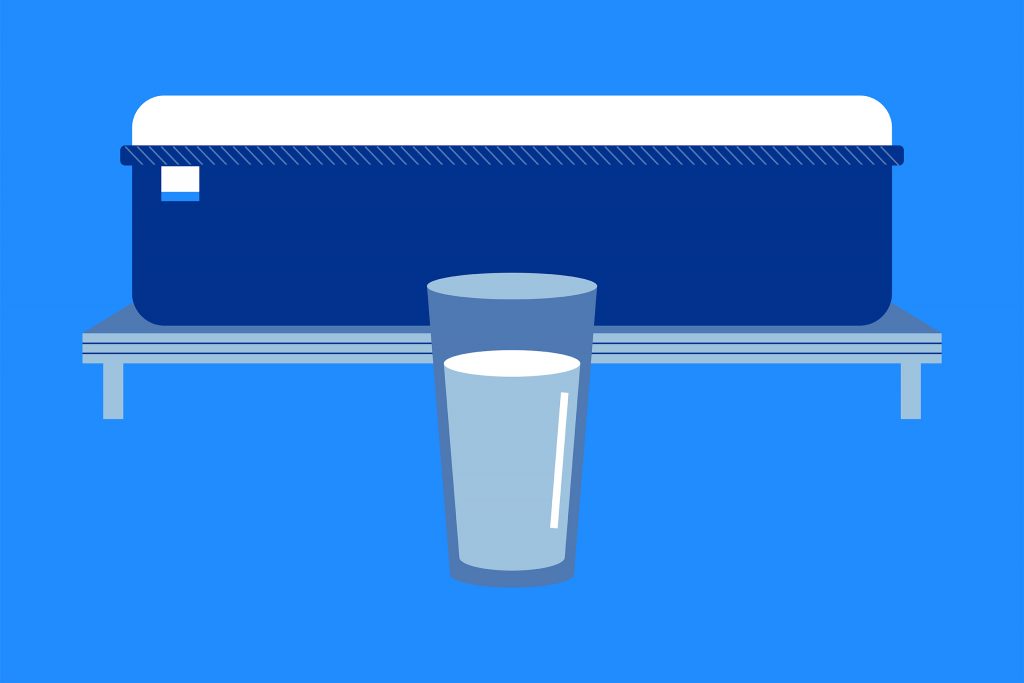
To prevent dehydration and promote better sleep hygiene, make sure to prioritize getting enough restful and uninterrupted sleep each night. This will help regulate your body’s fluid balance. Additionally, drink plenty of fluids throughout the day and have a glass of water by your bedside in case you wake up thirsty in the middle of the night.
Develop Strategies for Falling Back Asleep
To develop strategies for falling back asleep, it’s important to create a relaxing bedtime routine and ensure your sleep environment is comfortable. When dehydration affects your sleep, it can lead to discomfort and muscle spasms that make falling asleep challenging. To combat this, prioritize daily hydration by drinking enough water throughout the day. This will help prevent dehydration during sleep and promote better rest.
When you wake up at night, it is essential to limit your activity to keep you from fully waking up when you wake up at night. Do not go watch television or make a snack. These activities will increase wakefullness making it more difficult to fall back to sleep after waking up.
If you are thirsty, keep a glass of water by your bed so you can drink it without having to turn on lights or go to the kitchen, which can increase wakefulness. If you have to use the bathroom, do not turn on the light, and go straight back to bed. If your restroom is too dark, consider a red spectrum nightlight to help you see.
Remember, insufficient sleep due to dehydration can have negative effects on both physical and mental well-being, so implementing these strategies is crucial for getting the quality rest you need.
Does Waking up Dehydrated Make You Tired?
Waking up dehydrated can leave you feeling tired and fatigued throughout the day. Proper hydration is essential for maintaining your energy levels and overall well-being. When you don’t drink enough water throughout the day, it can affect your body’s hydration levels, leading to dehydration during sleep.
Dehydration occurs when your body doesn’t have enough water to function properly. It can be caused by factors such as not drinking enough fluids or consuming too many caffeinated and alcoholic drinks, which can actually affect hydration. When you’re dehydrated, it can disrupt your sleep and cause you to frequently wake up during the night.
To avoid sleep dehydration, it’s important to drink fluids throughout the day and try to not eat too soon before bed, as digestion can lead to more dehydration. Additionally, limit caffeine and sugar intake before bed as it can worsen dehydration during sleep.
Frequently Asked Questions
Can Low Electrolytes Affect Sleep?
People who experience electrolyte abnormalities frequently experience sleep issues such insomnia, restless sleep, daytime drowsiness, sleep apnea syndrome, periodic limb movement disorder, and restless legs syndrome. Insomnia can be reduced by addressing electrolyte imbalances and addressing vitamin deficiencies.
Do You Sleep Better if You’re Hydrated?
You tend to sleep better when properly hydrated. However, it is important to note that drinking a large amount of water right before bed can lead to frequent urination, which also disrupts sleep. Staying hydrated throughout the day is the key.
Can Lack of Hydration Cause Sleep Problems?
Hydration plays an important role in overall health, this includes sleep quality. Dehydration can disrupt sleep leading to symptoms such as muscle spasms, fatigue, headaches, and dry mouth. However, it is also true that insufficient sleep can contribute to dehydration.
Why Is It Harder To Fall Asleep When Dehydrated?
Lack of water causes your body’s surfaces to cease receiving enough lubrication, making you more prone to minor infections and making you feel painful or itchy, all of which can make it difficult to fall asleep. You could also get headaches if the membranes around your brain get too dry.
Conclusion
It is important for you to understand the impact of hydration on your sleep. Dehydration can lead to uncomfortable symptoms and poor sleep quality, while poor sleep can also contribute to dehydration.
By implementing strategies such as keeping your bedroom cool and staying hydrated throughout the day, you can improve both your hydration levels and sleep quality. Remember to listen to your body’s signals and make sure you are adequately hydrating yourself for a restful night’s sleep.