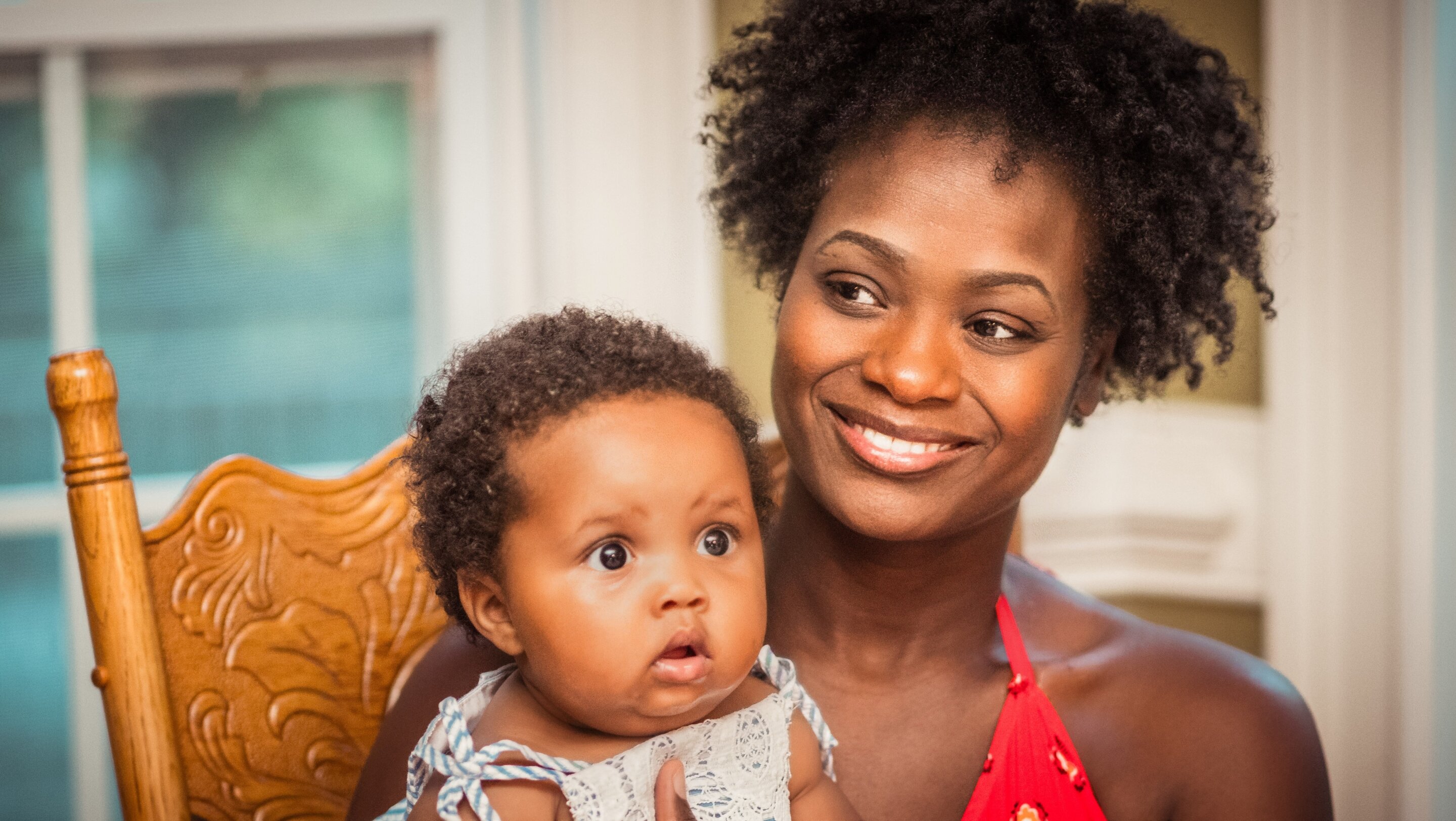

































How Chronic Stress Affects Your Child’s Height (Credit – Freepik)
Most talks about children’s growth and development revolve around diet, activity, and heredity. While these elements are clearly important, they do not tell the whole story, according to Professor Barry Bogin, an American biological anthropologist at Loughborough University. Bogin contends that emotional well-being, notably love, hope, and happiness, is equally important for appropriate development.
The Connection Between Height and Emotional Well-Being
Bogin noticed that the average height of a man in strife-torn Guatemala is just over 5ft 3in, whereas the average height in the Netherlands, which boasts some of the world’s best social care, is approximately 6ft. According to Bogin, this disparity is largely due to the emotional and social situations in different countries.
Historical Trends Support the Theory
Toxic Stress and Its Consequences
The term “toxic emotional stress” is more than a phrase; it has serious consequences for a child’s development. When a child experiences chronic stress, which can be caused by a lack of love, hope, and security, their body responds by releasing stress chemicals such as cortisol. Cortisol levels that are elevated over an extended length of time might inhibit the production of growth hormones, effectively limiting physical growth.
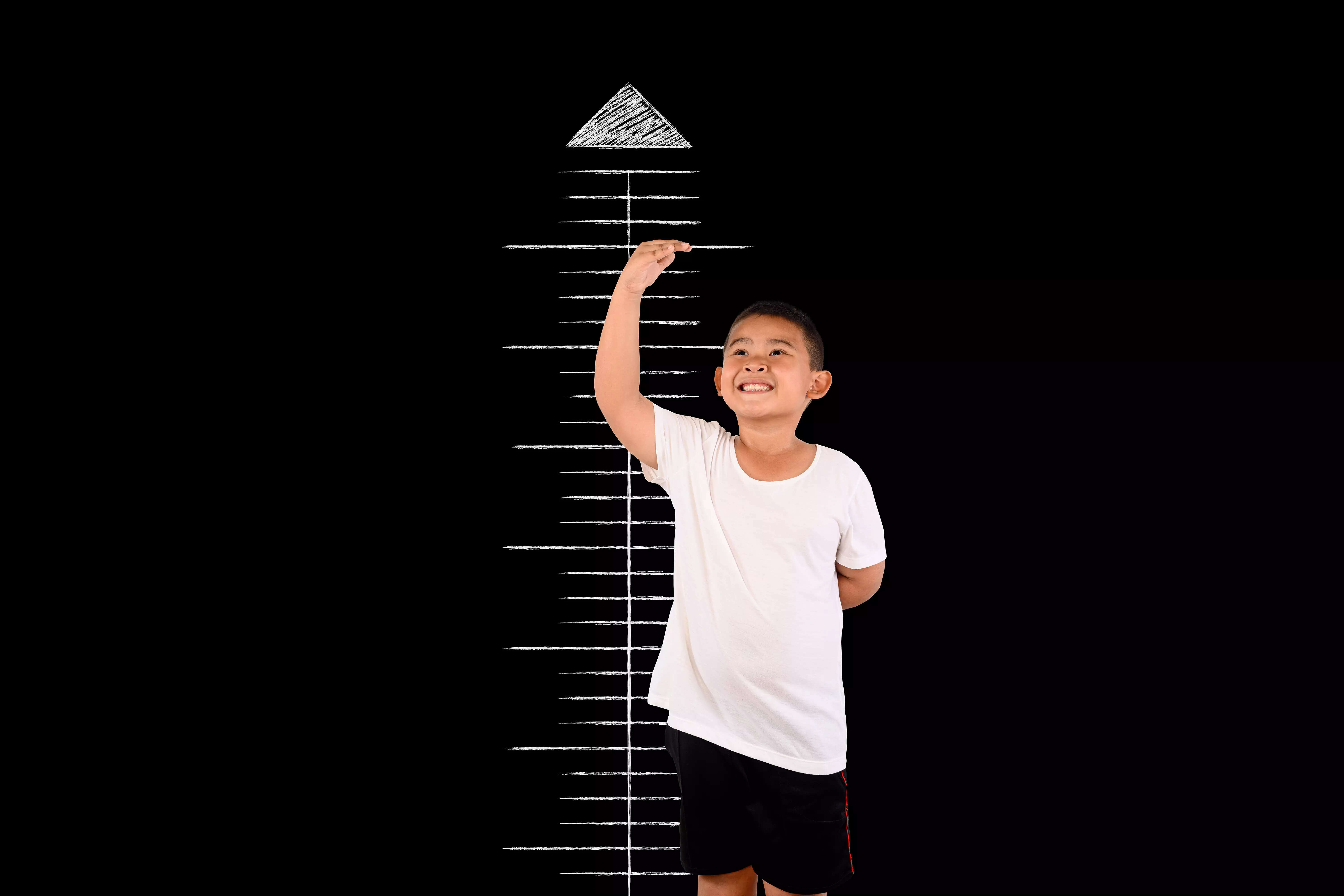
The Importance of Emotional Support
Bogin’s study emphasises the necessity of creating a positive emotional environment for children. “If you don’t have security, healthcare, education, or worry about the future, you can’t have hope, and that is what leads to chronic toxic stress,” Bogin says. He emphasises the importance of strong social and emotional relationships in humans of all ages. Thus, love and hope are more than just feel-good feelings; they are essential to a child’s overall growth.
The conclusion from Bogin’s research for parents and carers is clear: fostering a loving, hopeful, and joyful atmosphere is just as important as providing balanced food and encouraging frequent exercise. Child development is more than just calories and DNA; it also includes emotional nourishment. Ensuring that youngsters feel comfortable and hopeful about the future can help develop not only emotional well-being but also physical growth.
Professor Barry Bogin’s work offers a timely reminder of the incalculable significance of emotional well-being in a world increasingly fixated on quantifiable criteria like height, weight, and academic grades. While it is critical to watch what children eat and how often they exercise, it is equally important to monitor the emotional temperature of their environment. According to new research, a child’s height can be an unexpected but telling indicator of their emotional well-being.