

















As a girl who loved reading and sports, a preteen illness which almost took my sight taught me to not take my language skills or my health for granted.
For too many Orange County (and Florida) residents, both are a challenge. 25% of Floridians are illiterate (plus an additional 30% struggle to read at an eighth-grade level), two-thirds are an unhealthy weight, and almost 3 million have a mental health condition. The root causes of these statistics often originate in childhood and lead to lifelong consequences (income/employment hurdles, chronic health conditions, lower self-esteem, higher rates of negative, or even criminal, behaviors, and lower life expectancy).
In fact, the U.S. Department of Health & Human Services’ Healthy People 2030 initiative includes literacy as a Social Determinant of Health (SDOH), since “higher rates and levels of literacy in a population are associated both directly and indirectly with a range of (physical and mental) health outcomes.”
Think about it. The ability to read is a critical health enabler for a new mom who strives to mix her infant’s formula correctly, the veteran whose chronic illness (diabetes, asthma, obesity, heart/kidney/liver disease, mental health) requires careful adherence to doctor’s orders, and the immigrant who must navigate the health-care system with limited English skills.
I believe a game plan to score more wins for Florida’s kids is to integrate literacy and fitness education, as research shows that, like STEM instruction, teaching reading and fitness in an integrated way improves the results in both. Good reasons for integration include:
1. To motivate: Interest in one subject may motivate attention to the other (e.g., interest in books about sports heroes);
2. To differentiate instruction: Kids learn in different ways; some (often boys) are “do-ers”;
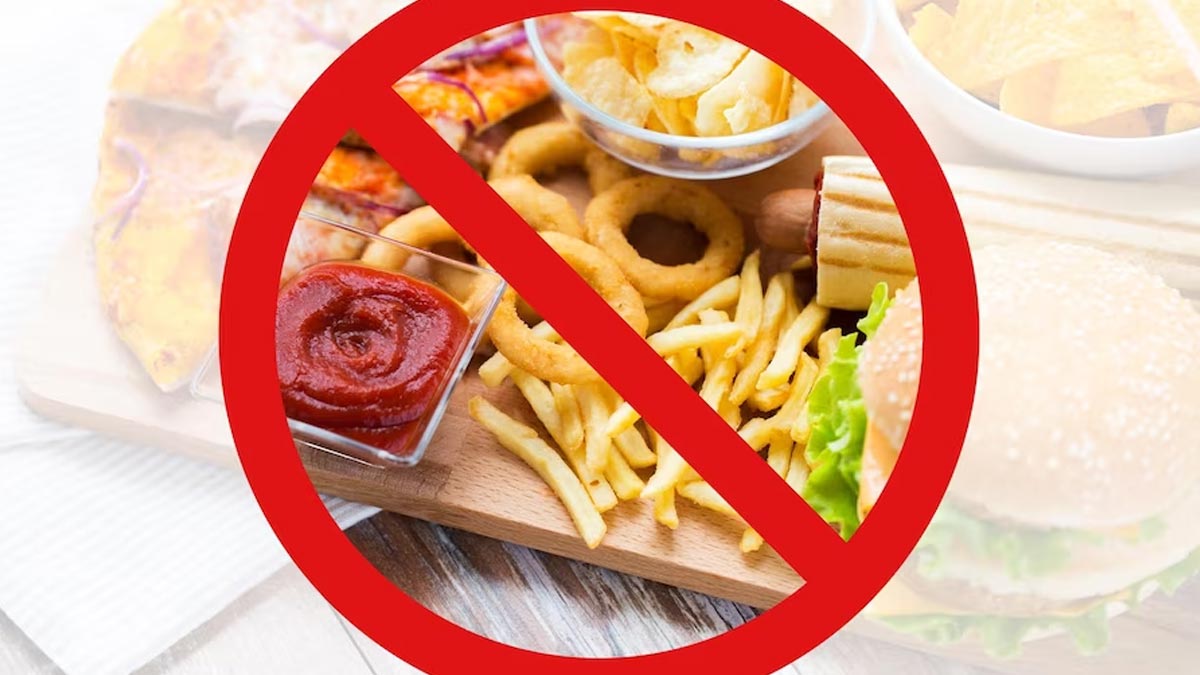
3. To improve focus/retention: Physical activity and good nutrition boost cognition, retention, mood and have been shown to amplify the gain in reading scores (especially comprehension);
4. To save time: Classrooms have limited instruction time, so combining or overlapping concepts can economize. Many skills underlying the two disciplines are complementary/reciprocal and per the National Institute of Health, physical development (fine and gross motor skills) is linked to development of cognitive and communication skills.
I actively partner with agencies and after-school programs to help increase opportunities to combine reading and physical activity, increase access to books and healthy food and fitness information, and increase promotion by highlighting role models and reinforcing/rewarding good literacy and fitness choices.
Let’s make reading and good health a slam dunk for all Florida kids.
Lindsey Franxman is a public relations and communications professional employed by Diamond Public Relations. She is Miss Tampa 2023.