

























As one advance in age, the nutritional requirements that contribute to a healthy diet may undergo subtle changes compared to earlier stages of life. The evolving needs of our ageing bodies emphasise the significance of specific nutrients crucial for sustaining overall well-being. Here’s an expert-approved list!
Calcium and Vitamin D: Older adults require an increased intake of calcium and vitamin D due to their role in upholding bone health. Opt for sources rich in calcium, such as dairy products, while also considering alternatives like dark leafy greens, fortified cereals, and fruit juices.
Vitamin D can be acquired from fatty fish, eggs, and fortified foods and beverages. This becomes particularly pivotal for safeguarding bone integrity in women post-menopause, a time when osteoporosis vulnerability escalates, potentially leading to severe complications such as fractures in the hip, wrist, and spine. Adequate calcium supplementation is recommended for those with insufficient dietary intake.
Vitamin B12: With ageing, the body’s capacity to absorb vitamin B12 might wane, necessitating the inclusion of vitamin B12-rich foods in the diet. Inadequate levels of vitamin B12 have been linked to cognitive impairment, memory issues, and sensations of tingling and numbness—manifestations of suboptimal myelination. Elderly individuals can consider seafood, lean meats, fish, and fortified cereals as reliable sources of Vitamin B12, potentially helping to mitigate or stall cognitive decline.
Folic Acid: Elderly individuals should prioritise the consumption of foods rich in folic acid, a crucial component in DNA synthesis and amino acid metabolism. Given its multifaceted role in diverse bodily functions, folic acid becomes even more pivotal as we age. This essential nutrient facilitates cell maintenance and repair, red blood cell production, cognitive well-being, cardiovascular health, and bone maintenance. Its synergy with vitamin B12 and vitamin D aids in preserving bone health.
Folic acid can be found abundantly in dietary sources such as leafy greens, beans, lentils, fortified cereals, and citrus fruits.
Omega-3 Fatty Acids: The presence of omega-3 fatty acids in fatty fish like salmon, flaxseeds, and walnuts introduces anti-inflammatory properties that may curtail the risk of chronic ailments like heart disease and cognitive decline.
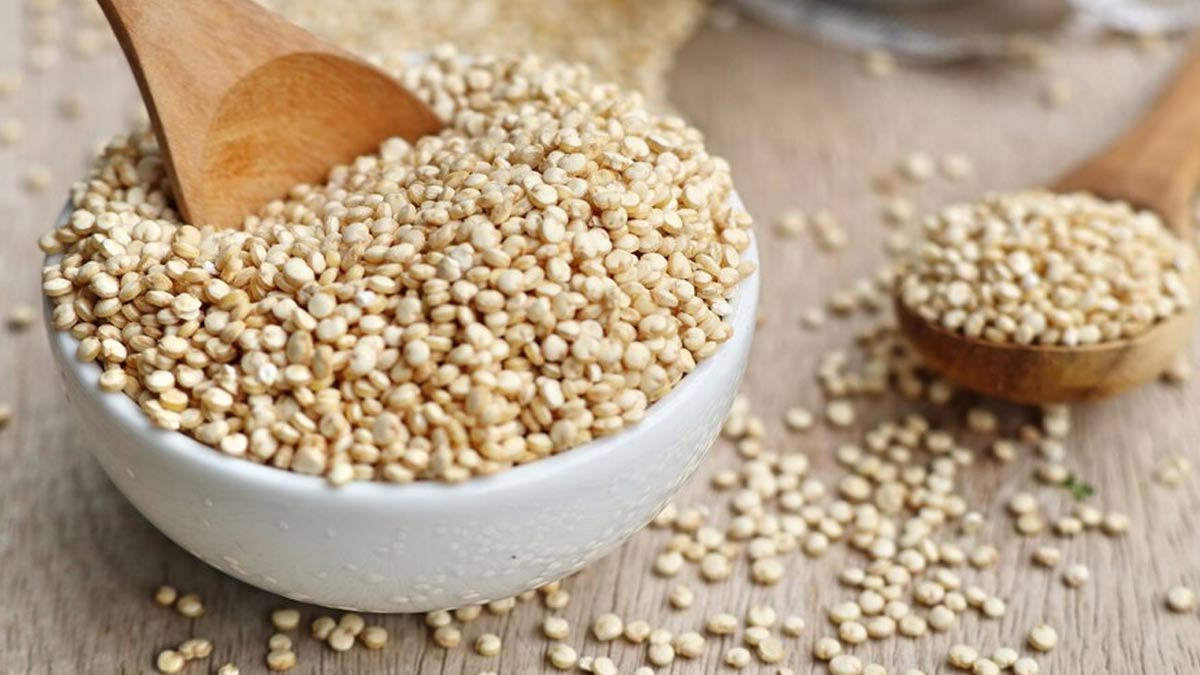
Dietary Fibre: Maintaining adequate dietary fibre intake becomes imperative for promoting digestive health and averting common issues like constipation, often experienced by older adults. The inclusion of fibre-rich foods like whole grains, fruits, and vegetables is recommended.
Antioxidants: Essential antioxidants like vitamins C and E play a pivotal role in safeguarding cells against oxidative stress and damage caused by free radicals. This protective function extends to mitigating the risk of age-associated chronic diseases.
Additionally, antioxidants can potentially decelerate the progression of cataracts, aiding older individuals in preserving their vision for an extended period. Oxidative stress is implicated in several health conditions, including cardiovascular ailments, cancer, diabetes, Alzheimer’s, Parkinson’s, and memory impairment.
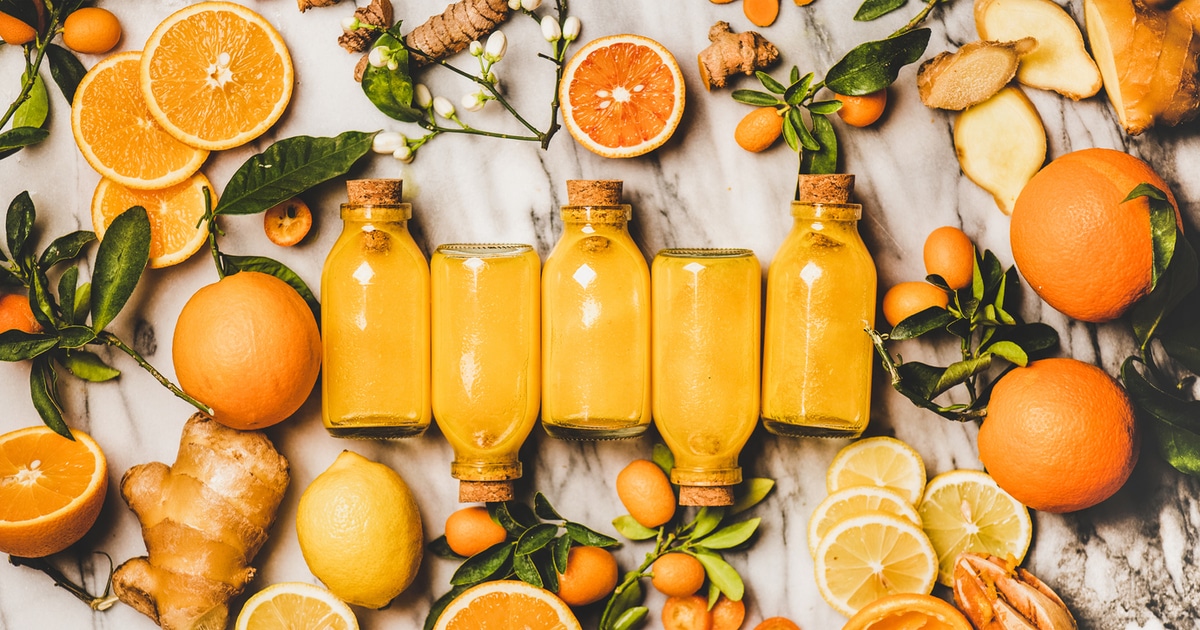
Antioxidants, including vitamins C and E, are commonly found in fruits (such as berries and citrus), vegetables (like spinach and broccoli), nuts, seeds, and whole grains.
Magnesium: The involvement of magnesium in numerous biochemical processes within the body includes contributions to muscle and nerve functioning, blood sugar regulation, and bone health.
Magnesium-rich foods include nuts (almonds, cashews), seeds (pumpkin, sunflower), whole grains (oats, brown rice), leafy greens (spinach, kale), and legumes (beans, lentils).
Potassium: Adequate potassium intake is vital for maintaining proper fluid balance, facilitating muscle contractions, and supporting nerve function. Sufficient potassium levels can contribute to blood pressure regulation and a reduced stroke risk.
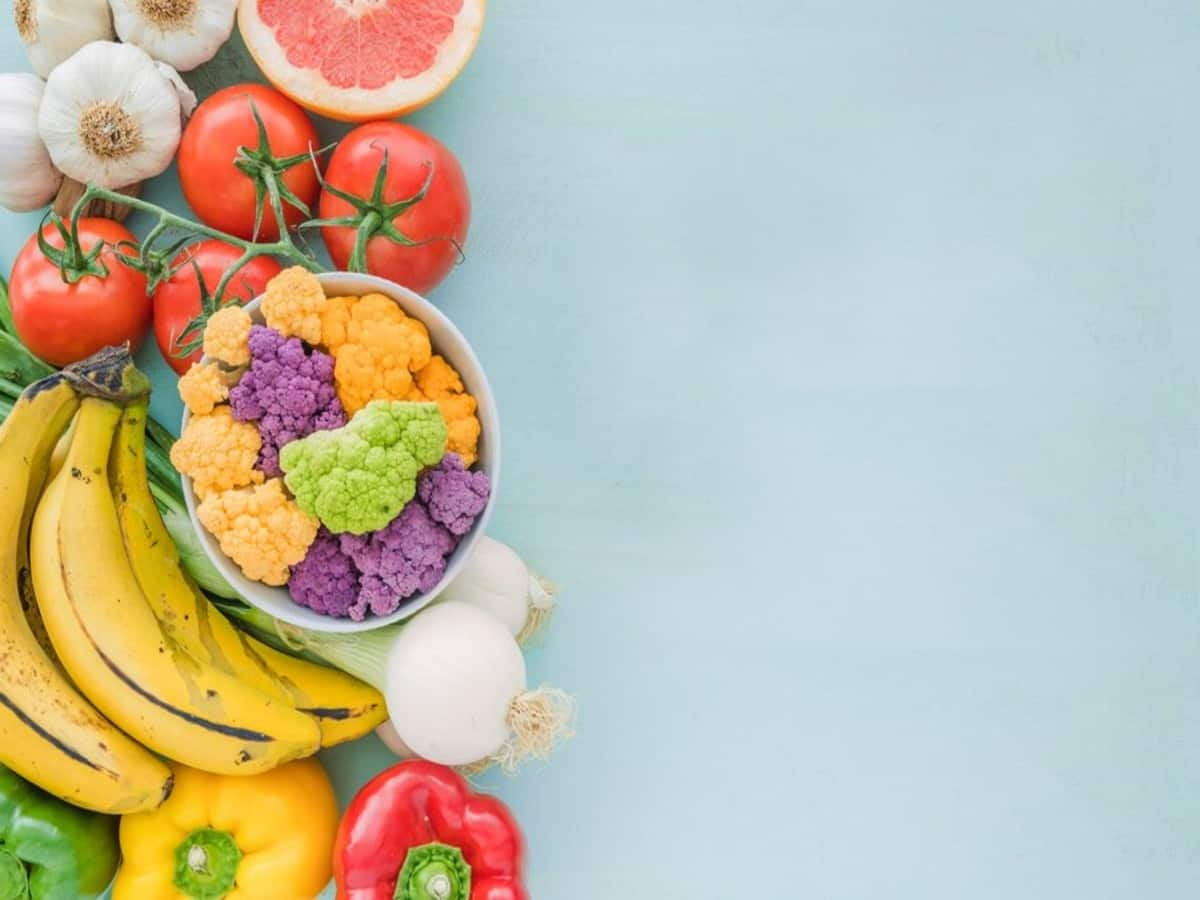
Potassium can be obtained from a variety of sources, including bananas, oranges, potatoes, spinach, tomatoes, and yoghurt. However, it’s crucial for seniors to maintain a balanced potassium intake, as both excessive and insufficient levels can pose risks.
Essential Hydration: Apart from meeting nutritional requirements through food, it’s important to recognise the significant role of hydration in the well-being of older adults. As people age, their sense of thirst can diminish, which can lead to a decreased intake of fluids.
Ageing bodies may not retain water as effectively, and certain health conditions and medications can increase the risk of dehydration. Adequate hydration remains pivotal for maintaining healthy bodily functions, cognitive clarity, and overall well-being in older adults.
Prioritising a well-balanced diet tailored to the evolving nutritional needs of seniors is paramount for maintaining optimal health and vitality. The strategic inclusion of key nutrients such as calcium, vitamin D, vitamin B12, folic acid, omega-3 fatty acids, dietary fibre, antioxidants, magnesium, and potassium can contribute to sustaining bone integrity, cognitive function, cardiovascular wellness, and overall well-being throughout the ageing process.
(With inputs by Anju Mohan, Senior Dietitian, Dept of Clinical Nutrition, Amrita Hospital, Kochi)
recommended stories
-

Chandrayaan-3: Vikram lander 25 km above moon, to land at break of Lunar Day on Aug 23
-

No new post construction, patrolling limits dominate latest India-China border talks
-

UFC 292 Live Streaming: How to watch to Aljamain Sterling vs Sean O’Malley Live in India & other countries
-

Russia’s Luna-25 encounters glitch in pre-moon landing move
-

Ladakh: Nine Indian soldiers dead, many injured, after Army vehicle plunges into gorge
-

As Chandrayaan-3 approaches Moon, Chandrayaan-2 lends helping hand
-

Disney’s Percy Jackson Disney+ series reboot gets premiere date, teaser
-

At least 5 killed, 37 injured by Russian strike in Ukraine’s Chernihiv, Zelensky appeals world for action
-

Hundreds of Chinese satellites keep watch over US-Australia military exercises
-

India: In 11 years, more than 1,300 graduates from govt-run space IIST have joined ISRO
-

Vivek Agnihotri claims Shah Rukh Khan and Karan Johar have damaged the cultural fabric of India
-

Rare and unusual Early Medieval burial practice suggests she was ‘different’ in the community
-

Oppenheimer India box office: Christopher Nolan film achieves a significant milestone
-

Blue Beetle movie review: DC’s latest is a cure to your superhero fatigue
recommended stories
You can now write for wionews.com and be a part of the community. Share your stories and opinions with us here.