





























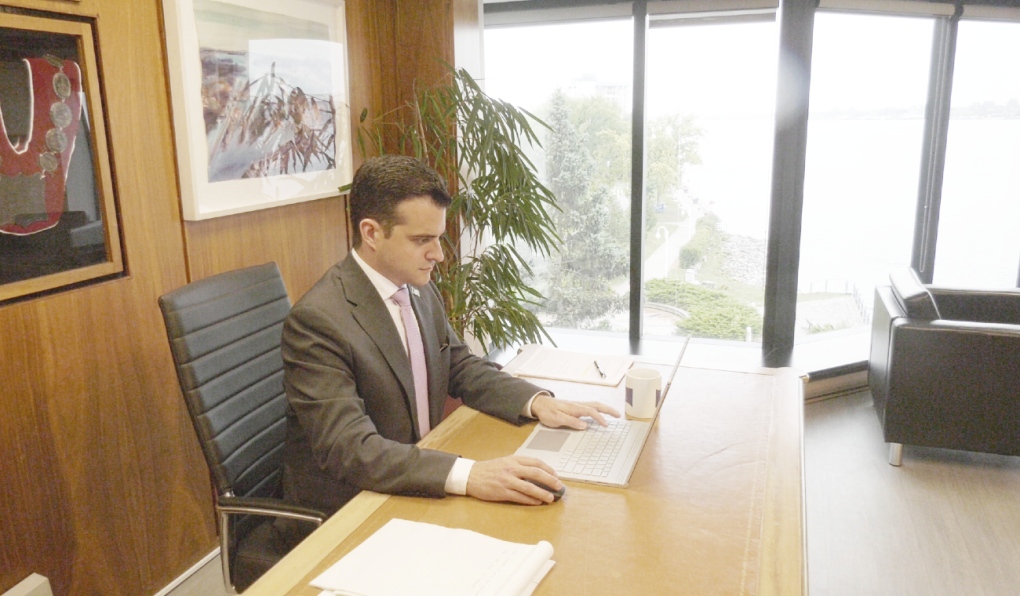


With a profession as challenging as accountancy, stress comes with the job. Trapped between the complex nature of the job and the increasing demands of clients, all compounded by minuscule room for error, it’s hardly unsurprising that more than half of UK accountants (55%) have admitted to feeling stressed and burned out while working in the profession.
And it seems that AccountingWEB members are not immune to the stresses and strains of the profession, with commenters sharing their own experiences in a recent Any Answers post.
A stressful profession
While responses varied, with many arguing that stress was simply a fact of life, nearly all commenters agreed that stress was a significant factor in their line of work.
For some, it seems that the intensity of hard deadlines in the profession creates the most headaches for accountants, with commenters lamenting self assessment season as a particular bugbear.
“You sound like you have the usual peaks and troughs of March year ends and then the self assessment tail-enders prior to the January filing deadline,” said ianthetaxman in reply to the original poster, summing up the feelings of many other users on the thread.
AccountingWEB contributor Glenn Martin also chimed in on the subject, noting that, on top of the usual stresses accountants face, the prospect of mounting fines can be worrisome.
“Everything we do carries a £100 fine if not done on time, multiply that by a few hundred clients and you are exposed to a lot of potential,” said Martin.
Making a change
Greenback Allen’s tax director Shona Barker agreed with many of the points made by the Any Answers community, with the “endless deadlines” and difficult clients putting pressure on her mental health.
“We’ve come to accept all these deadlines, both statutory and ones we put on ourselves, and it ends up meaning you’re operating at the speed where we just have to keep doing stuff without end,” Barker said.
Looking to better understand mental health and support her colleagues, Barker spent three years training to become a mental health first aider, something which she admitted was both “gruelling and eye-opening.”
“Doing the course has made it easy for some people to want to approach me because I’ve had that training and I’m committed to the values that I genuinely want to support people,” Barker added.
More to be done?
Asked whether the profession does enough for those dealing with stress and burnout, Barker argued that accountancy has come a long way as more firms offer improved support for staff.
However, while progress has been made, Barker was keen to emphasise that more needs to be done, and that “more people need to put their hands up and say: ‘this is important to me.”
Offering advice to firms or colleagues looking for ways to better support their team, Barker said that compassion was the most important aspect and remembering “we’re all human.”
“Some of your staff will be going through various battles. So you need to ask yourself: do you want to support them so they can continue in that role and deliver, or just leave them to it? It’s that simple.
“From a business point, unsupported staff will likely underperform. But, from a human point of view, we should all be showing compassion to each other’s issues.”
Reflection and support
For those dealing with stress and burnout, Barker advises reflection as a key aspect of making a positive change.
“I think it’s always worth taking a step back after a particularly stressful period and reflecting on how you ended up there and asking: ‘how can I avoid being in the situation again?’ That might mean taking time to negotiate with clients or revisiting processes, but always take time to better understand the issues you’re facing.”
Barker also argued that the best tool to avoid these stressful situations in the future is to “lean on your peers” by accessing the accounting community.
It’s important to remember you’re not the only accountant going through this. Whether it’s in networking groups or LinkedIn or Facebook, you can always find somebody else who understands your situation.”
“Your capacity to deal with stress can change over time and that’s completely okay. It’s just about putting in place the tools and support to help you through that matters most.”