




















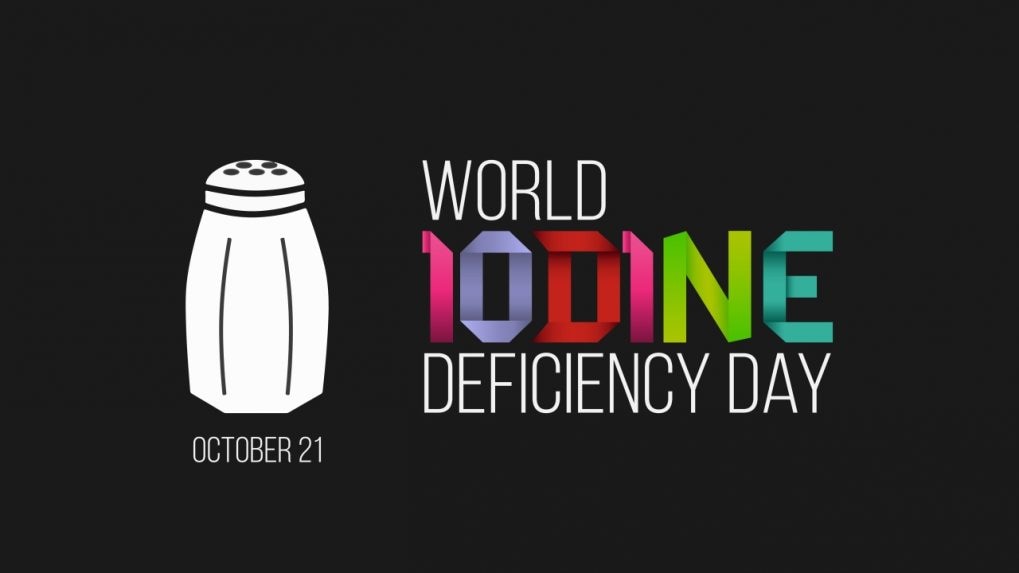
World Iodine Deficiency Day, also known as Global Iodine Deficiency Disorders Prevention Day, is celebrated every year on October 21. The day is dedicated to raising awareness about the critical role of iodine in our health. Iodine, an essential mineral required for thyroid hormone production, plays a vital part in our bodily functions. Here is why it’s important and how to recognise its deficiency.
What is Iodine?
Iodine, a mineral found in the Earth, is crucial for the production of thyroid hormones. Since the body doesn’t produce iodine naturally, it must be obtained through the food we consume.
What Is Iodine Deficiency?
Iodine deficiency occurs when the body lacks this essential element. It hampers the production of thyroid hormones, leading to various health issues.
Why Is Iodine So Important?
Iodine is responsible for regulating important bodily functions like metabolism. During pregnancy, it is vital for the baby’s brain and bone development. Lack of iodine during pregnancy can result in severe complications.
Iodine Deficiency Symptoms
Iodine deficiency manifests through symptoms such as thyroid enlargement (Goitre), fatigue, weight gain due to slowed metabolism, constipation, puffiness on the face, muscle weakness, dry skin, increased cold sensitivity, abnormal menstrual cycles, hair thinning, depression, elevated cholesterol levels and impaired memory.
Causes of Iodine Deficiency
According to the National Library of Medicine, Iodine Deficiency Disorders (IDD) are a significant global health problem, caused by iodine-poor soil leading to low iodine concentration in food and insufficient intake in the population.
Diagnosis and Prevention
Healthcare providers diagnose iodine deficiency through visual examination, imaging tests like thyroid ultrasound, thyroid scans and thyroid blood tests. Newborns are routinely screened for hypothyroidism, ensuring early detection and intervention.
Iodine deficiency treatment
If you’re diagnosed with iodine deficiency, your doctor will create a treatment plan. This usually involves dietary changes, like adding iodine-rich foods or taking iodine supplements. For those with hypothyroidism, thyroid hormone supplements might be prescribed based on the severity.
Foods that help with iodine deficiency
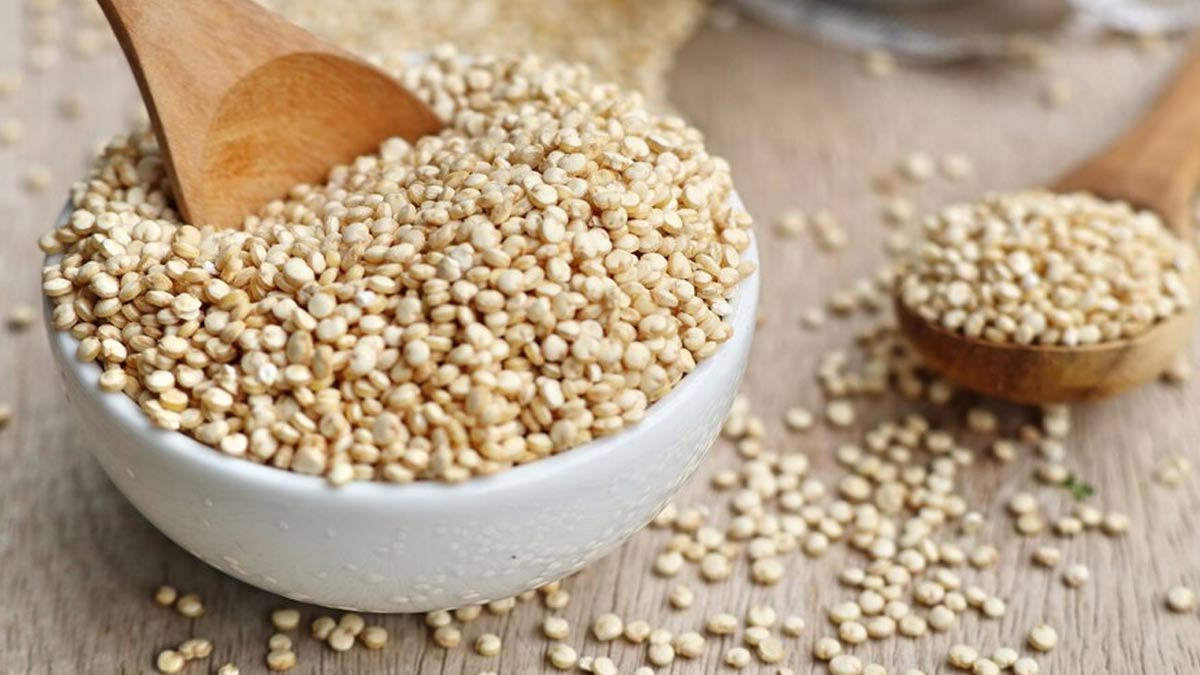
To prevent or treat iodine deficiency, include foods like seaweed, iodised salt, cod fish, cottage cheese, Greek yoghurt, eggs, shrimp, tuna and prunes in your daily diet.
As per the Cleveland Clinic, the daily iodine requirement varies by age. Most adults need 150 micrograms, but if you’re pregnant or breastfeeding, a prenatal vitamin with 250 micrograms is recommended. Not all prenatal vitamins have iodine, so check the label. Consult your healthcare provider to determine if a separate iodine supplement is necessary.