






























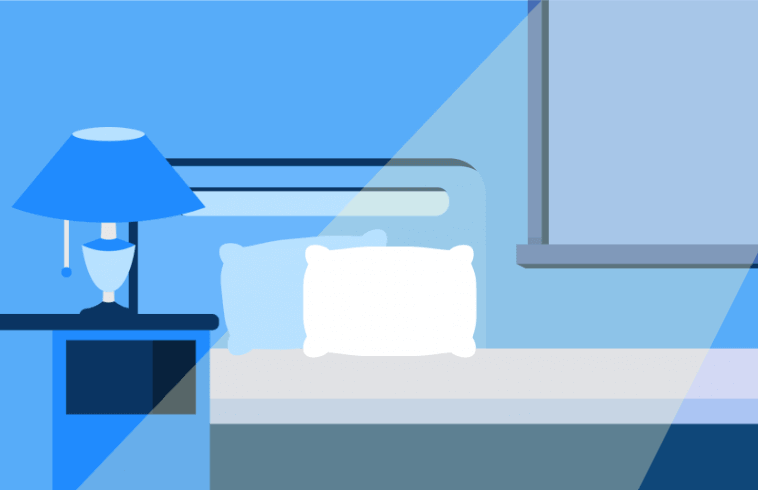
Light regulates our body’s internal clock and influences sleep and mood. Exposure to light at night can disrupt our sleep cycles, leading to poor quality sleep and impacting our overall health.
Understanding the effects of light on our circadian rhythms and sleep is essential for promoting well-being. In this article, we will explore the impact of light on sleep, melatonin production, sleep cycles, and how to create a sleep-friendly environment.
Circadian Rhythms and Melatonin
Melatonin is a hormone produced by the body in response to darkness, and its production is significantly influenced by light exposure, making it a key factor in regulating circadian rhythms and sleep. Daily light exposure synchronizes the circadian clock with the day-night schedule and triggers the body to release melatonin for sleep. Artificial light sources, such as LED lights and electronic devices, can disrupt melatonin production and circadian rhythms. To reduce blue light emission, it is recommended to limit electronic use before bedtime, wear glasses or devices that filter blue light, and install motion-activated lights in the home.
Light exposure also affects the production of other hormones related to the sleep-wake cycle. Bright light during the day can suppress melatonin production and increase alertness. Conversely, darkness triggers the pineal gland to produce melatonin, promoting drowsiness and facilitating sleep. Light therapy, or exposure to bright light in the morning, can help reset the circadian clock and regulate sleep timing.
Inadequate or misaligned light exposure can lead to health issues such as weight gain, cardiovascular problems, and increased cancer risk. Circadian rhythm sleep-wake disorders occur when the internal clock is dysfunctional or misaligned with the environment. To ensure a dark sleep environment, it is recommended to keep lights dim when preparing for bed, use blackout curtains to block external light and remove the TV from the bedroom. White noise machines and fans can mask background noises and promote better sleep.
Sleep Cycles and Disruptions
Although melatonin plays an important role in the regulation of sleep, light exposure can also disrupt sleep cycles by interfering with the transitions between them. The body’s sleep-wake cycle is closely regulated by the circadian rhythm, a 24-hour internal clock synchronized by natural light exposure.
However, exposure to artificial bright light sources, such as electronics and streetlights, can suppress melatonin production, disrupting the body’s sleep-wake cycle. Bright light exposure at night can also disrupt sleep by inhibiting the transitions between the four to six sleep cycles that occur during a night’s sleep, reducing sleep quality. This is especially true with blue light exposure, commonly emitted by LED lights and electronic devices.
Blue and orange light exposure has been linked to circadian rhythm sleep disorders, such as shift work disorder and jet lag. This is because exposure to blue light suppresses melatonin production, making it more difficult to fall and stay asleep. Similarly, bright light exposure at night can also disrupt normal sleep patterns, leading to cognitive and physical fatigue.
To help minimize light exposure at night, individuals should avoid using electronics and keep their bedrooms dark and quiet. Additionally, white noise machines or apps can help mask background noises and promote better sleep. Bright light therapy during the day may be beneficial in helping to reset the circadian rhythm and improve the body’s sleep-wake cycle.
Creating a Sleep-Friendly Environment
To ensure a good night’s sleep, it is important to create a sleep-friendly environment by controlling light exposure and other factors. One important step to take is to reduce light exposure at night by using blackout curtains to block out direct sunlight and other forms of light. Exposure to even dim light can disrupt melatonin secretion, making it difficult to fall asleep and stay asleep. Additionally, blue back light emitted by emission from LED lights and other short wavelength light sources can disrupt the circadian rhythm, leading to sleep disturbances.
It is recommended to minimize the use of electronic devices two to three hours before bedtime as blue light emission can interfere with sleep quality. Motion-activated lights are a good option for nighttime use, as they reduce exposure to light while providing enough light to navigate hallways and bathrooms. Wearing a close-fitting eye mask can also provide relief from bothersome light.
Other steps to help create a sleep-friendly environment include:
- Removing the TV or other electronic devices from the bedroom.
- Using a fan or air conditioning to cool down the bedroom.
- Using breathable and lightweight bedding materials.
White noise machines or apps can also be used to mask background noises and promote better sleep.
Overall, light exposure has a significant effect on sleep. Therefore, it is important to create a sleep-friendly environment, such as using blackout curtains, minimizing electronic devices, and using white noise. By doing this, individuals can reduce the disruption of their circadian rhythm and promote a better night’s sleep.
Miscellaneous Sleep Tips
In addition to creating a sleep-friendly environment, several miscellaneous sleep tips can help improve sleep quality. Reducing or eliminating artificial light is one of the most important steps to achieve a good night’s rest. Exposure to bright lights at night can negatively affect melatonin levels and disrupt healthy sleep-wake cycles. It can also increase the risk of sleep disorders, such as insomnia and seasonal affective disorder.
Using a night light is a good way to provide low levels of light only when needed. Wear a close-fitting eye mask if you need relief from bothersome light. White noise machines or apps can also mask background noises and provide a more consistent sound environment, making it easier to fall asleep and stay asleep. Fans or air purifiers can benefit by maintaining a comfortable sleep temperature.
Additionally, reducing or eliminating electronic use two to three hours before bedtime and using a sleep timer to turn off the TV automatically are important steps to improve sleep quality. It is also recommended to avoid activities that generate heat or expose yourself to blue light before bedtime.
Finally, keeping windows and curtains closed during the day to prevent hot air from entering the bedroom, using breathable and lightweight bedding materials, taking a cool shower or using a damp towel to lower body temperature, and keeping the bedroom cool and well-ventilated are all important steps to take in creating a more sleep-friendly environment.
Impact of Light on Sleep
Light exposure significantly impacts our sleep, both in terms of its quality and timing. Artificial lighting from streetlights, office lighting, and cell phones can disrupt circadian rhythms and affect sleep and cycles. Exposure to light at night suppresses melatonin production, which can cause difficulty falling asleep and lead to poor sleep quality. Shift workers, who often have to work night shifts, are particularly susceptible to the effects of light on sleep.
Good sleep hygiene is essential for a good night’s sleep and improved sleep health. Avoiding electronics for at least 30 minutes before bedtime can help reduce the impact of artificial light on melatonin production. Try to limit exposure to light at night and increase exposure to light in the morning. Wearing a close-fitting eye mask can also provide relief from bothersome light.
In addition to avoiding bright lights at night, creating a sleep-friendly environment is essential to improve sleep quality. Investing in blackout curtains and other light-blocking methods can help block external light and create a darker environment. Utilizing white noise machines or apps can help drown out sudden noises that may disrupt sleep, such as traffic or loud neighbors. Finally, using breathable and lightweight bedding materials and keeping the bedroom cool and well-ventilated can promote better sleep.
Sleep medicine specialists recommend maintaining regular sleep schedules and improving sleep hygiene to minimize the impact of light on sleep. By creating an environment that is conducive to restful sleep, individuals can ensure that nocturnal sleep is not disrupted by artificial light. Exposing oneself to morning light can help align the person’s circadian rhythm and support sleep health.
With the right strategies, individuals can improve their sleep quality and overall health and well-being.
Natural Light Vs. Artificial Light
Recent studies have shown that exposure to natural light during the day can impact circadian rhythms and sleep health more than artificial light sources. Natural light during daylight is best for regulating sleep-wake cycles due to its impact on melatonin production. Artificial light sources, such as lamps and electronic devices, emit light in the blue wavelength range, which can disrupt circadian timing. This light exposure can be especially disruptive for shift workers and those working night shifts.
To counteract this, limiting exposure to blue light from screens and other electronic devices in the evening is recommended. Turning on a “night mode” or using blue light filters can help reduce the impact of this artificial light. Additionally, avoiding bright lights at night and increasing exposure to daylight during the day can help to improve sleep quality.
Sunlight is beneficial for regulating the body’s natural clock, and it is important to get adequate daylight exposure during the day. Windows, skylights, and other natural light sources are ideal for achieving this. Sunlight exposure is also more beneficial than artificial or light therapy, as sunlight contains the full spectrum of light wavelengths.
The impact of natural light exposure on the sleep-wake cycle is an important factor to consider when improving sleep quality. Natural daylight exposure during the day and minimizing artificial light exposure at night can help maintain a healthy circadian rhythm and improve overall sleep health.
Effects of Sleeping With Lights on
Although sleeping with lights on can be convenient, it is important to know its potential effects on our circadian rhythms and sleep-wake cycles. Research suggests that artificial lighting can disrupt our natural sleep-wake cycle and circadian rhythm sleep disorders, leading to sleep problems and associated health issues. Artificial lighting, such as LED lights, can generate blue light that suppresses melatonin production and disrupts our circadian rhythms. This can lead to problems such as jet lag and shift work disorder.
It is important to be aware of the effects of external light on our circadian rhythms and sleep-wake cycles. Although energy-efficient lighting can be used to reduce energy consumption, it is important to consider its impact on our sleep. Studies suggest that exposure to light during the night can reduce sleep duration and quality and increase the risk of obesity and cardiovascular problems.
To promote healthier sleep, reducing exposure to light at night is important. This includes avoiding electronics for at least 30 minutes before bedtime and keeping lights dim when preparing for bed. Additionally, installing motion-activated lights in hallways or the bathroom can provide low light levels only when needed. Wearing a close-fitting eye mask can also provide relief from bothersome light.
Blue Light and Sleep
Blue light is a key factor in disrupting our sleep-wake cycle, as its presence can suppress melatonin production and make it harder to fall asleep. This is especially true in the evening when the body is preparing for sleep. Exposure to blue light during this time can cause a phase shift in the circadian pacemaker, resulting in difficulty sleeping and excessive sleepiness during the day. Those who work overnight shifts or frequently travel across time zones are especially vulnerable to blue light-induced circadian disorders.
Studies have shown that reducing blue light exposure in the evening can improve sleep quality and promote melatonin production. Dimming lights or using warm lighting in the evening can help reduce blue light exposure and promote better sleep. Additionally, some research suggests that avoiding electronic devices in the evening and wearing glasses that filter out blue light can be beneficial.
A lack of high-quality sleep is associated with negative health outcomes, such as an increased risk of heart disease and obesity. Therefore, promoting better sleep hygiene and reducing exposure to blue light is important. Doing so can help restore the natural circadian rhythm and ensure the body gets the rest it needs to stay healthy.
Light and Circadian Rhythm Disorders
Accumulating evidence suggests that light exposure patterns can contribute to the development of circadian rhythm disorders. Circadian rhythm disorders, such as shift work disorder and jet lag, can cause sleep disruption and other health issues.
Here are four key points to consider when understanding the relationship between light and circadian rhythm disorders:
• Shift Work Disorder: People who work outside of traditional daytime hours, such as night-shift workers, are likelier to suffer from shift work disorder. This disorder is caused by a misalignment between the body’s internal clock and the work schedule. Working on a night shift also often involves exposure to artificial light, which can further disrupt the sleep-wake cycle and lead to sleep deprivation.
• Jet Lag: Jet lag is a circadian rhythm disorder caused by traveling across time zones. When jet lag occurs, the body’s internal clock is no longer in sync with the local time. This disruption can lead to sleep disturbances and daytime sleepiness. Light exposure can also contribute to jet lag symptoms, as the body’s internal clock is sensitive to light cues.
• Light Exposure: Exposure to light influences the production of melatonin, a sleep-promoting hormone. Too much light exposure, especially in the evening, can decrease the amount of melatonin produced by the body. This can make it more difficult to fall asleep and stay or trouble falling asleep again.
• Light Avoidance: To promote healthy circadian rhythms and reduce the risk of developing circadian rhythm disorders, limiting exposure to artificial light is important, particularly at night. Use blackout curtains to block external light, limit technology use at least 30 minutes before bedtime, and reduce ambient light in the bedroom. Additionally, wearing a close-fitting eye mask or blue light-blocking glasses can be beneficial.
The Role of Melatonin in Sleep
Melatonin, a hormone the body produces, plays an important role in regulating sleep and circadian rhythms. It is released in response to darkness, signaling the body to prepare for sleep. Melatonin production is inhibited in light, which helps maintain an alert and wakeful state.
Melatonin’s influence on the sleep-wake cycle is particularly important at night. When darkness falls, melatonin production triggers the body to relax and become drowsy. As the night progresses, melatonin levels increase, helping to keep the body in deep sleep. In contrast, light exposure suppresses melatonin production and can lead to difficulty falling asleep or waking up too early.
The effects of melatonin on sleep and circadian rhythms extend beyond the bedroom. Low melatonin levels during the day can lead to fatigue and difficulty concentrating. High levels of melatonin secretion at night can cause daytime sleepiness and difficulty staying awake. Furthermore, melatonin production can influence seasonal affective disorder (SAD), a type of depression that occurs during the winter months when days are shorter and nights are longer.
Supplemental melatonin is sometimes prescribed to help individuals with sleep issues. However, it is important to note that melatonin is not a sleep aid. It is intended to be taken for a short period and should not be used as a substitute for sleep hygiene practices, such as maintaining a regular sleep schedule and avoiding bright screens before bed.
Light exposure plays an important role in melatonin production and regulating sleep-wake cycles. To promote healthy sleep and circadian rhythms, it is important to keep bedrooms dark and free of artificial light sources and to limit exposure to bright screens before bedtime. Using blackout curtains and white noise machines can also create a quiet, restful sleep environment.
Light and Sleep Quality
We must be aware of the impact of light on our sleep quality to ensure we are getting restful and restorative sleep. Light is one of the most important elements in regulating our circadian rhythms and sleep cycles. Exposure to light during the day helps to keep us alert and energized, while darkness and lack of light at night cause the body to produce melatonin, a hormone that helps us to feel drowsy and fall asleep. However, too much artificial light or light at the wrong time can disrupt our internal clocks and lead to poor sleeping habits.
Here are some tips to help ensure better quality sleep:
- Create a sleep-friendly environment: Sleep in pitch darkness and keep the bedroom free of distractions like electronics. Install motion-activated lights in hallways or bathrooms and wear an eye mask to block out bothersome light.
- Minimize blue light exposure: Reduce electronic use two to three hours before bedtime and use special glasses or devices that filter out blue wavelengths of light.
- Keep the bedroom cool: Use a fan or air conditioner to cool down the room before bedtime and keep the windows and curtains closed during the day.
These tips, in conjunction with a regular sleep schedule, can help to improve our sleep quality and overall well-being. By understanding the impact of light on our circadian rhythms, we can ensure that we get the restful and restorative sleep our bodies need.
Strategies for Optimizing Sleep With Light
Adopting strategies to optimize sleep with light can improve sleep quality and overall health. Creating a light and sleep-friendly environment is essential for achieving restful sleep and maintaining a healthy circadian rhythm.
To maximize the benefits of natural and artificial light, individuals can take steps to reduce light exposure and promote a dark, quiet sleep environment. Minimizing the use of electronics before bedtime is a good place to start. Dimming the lights and avoiding screens two to three hours before bedtime can help relax the body and mind, promoting better sleep. It is also important to eliminate sources of artificial light in the bedroom, such as the TV or computer. If electronics must remain in the bedroom, keep them silenced and reduce their brightness.
To block external light, blackout curtains can be used to darken the bedroom. Motion-activated lights in hallways or the bathroom can provide low levels of light only when needed, and wearing a fitted eye mask can help block out bothersome light. White noise machines or apps create a consistent sound environment that can help drown out sudden noises and promote better sleep.
Keeping the bedroom cool and well-ventilated is also important for achieving restful sleep. Wearing lightweight bedding materials and a cool shower before bed can help lower body temperature and promote airflow. Fans or air purifiers can also benefit white noise while circulating air and maintaining a comfortable sleep temperature.
Frequently Asked Questions
Does sleeping with lights on affect your sleep?
The chance of developing certain health issues, such as heart disease, is increased, and sleep quality may be impacted by sleeping with the lights on. These issues could be brought on by interference with a person’s natural sleep-wake cycle, which is strongly influenced by light exposure.
How does light affect the human circadian physiology?
Morning light generally causes the clock to advance, whereas evening and night light causes the clock to advance. The human circadian system adapts to successive light exposures lasting up to five minutes, and even brief exposure to intense light during daylight hours can cause the circadian phase to change.
How does light affect the SCN?
SCN neurons modify their circadian phase (of neuronal activity) in response to the input of ambient light levels and its spectral composition, and they send this information to the rest of the body via signals from the humoral and autonomic nervous systems.
Why is it better to sleep with the lights off?
The 24-hour internal body clock that regulates your sleep/wake cycle, the circadian rhythm, has been shown in studies to be susceptible to disruption when exposed to light at night. This could increase the risk of heart disease by setting off a chain reaction of metabolic or biochemical changes that influence glucose and cardiovascular function.
Why do I sleep better when it’s light?
The circadian rhythm, the body’s internal clock that tells us when to be awake and when to sleep, is largely regulated by light. Melatonin is a crucial hormone that promotes sleep, and light also impacts its production.
Conclusion
Light exposure significantly impacts sleep, melatonin production, and circadian rhythms. Optimizing light exposure and creating a sleep-friendly environment is essential for healthy sleep habits and promoting well-being.
Furthermore, understanding the effects of light on sleep can help to prevent and treat circadian rhythm disorders. In conclusion, light is crucial in regulating sleep and should not be underestimated.