




















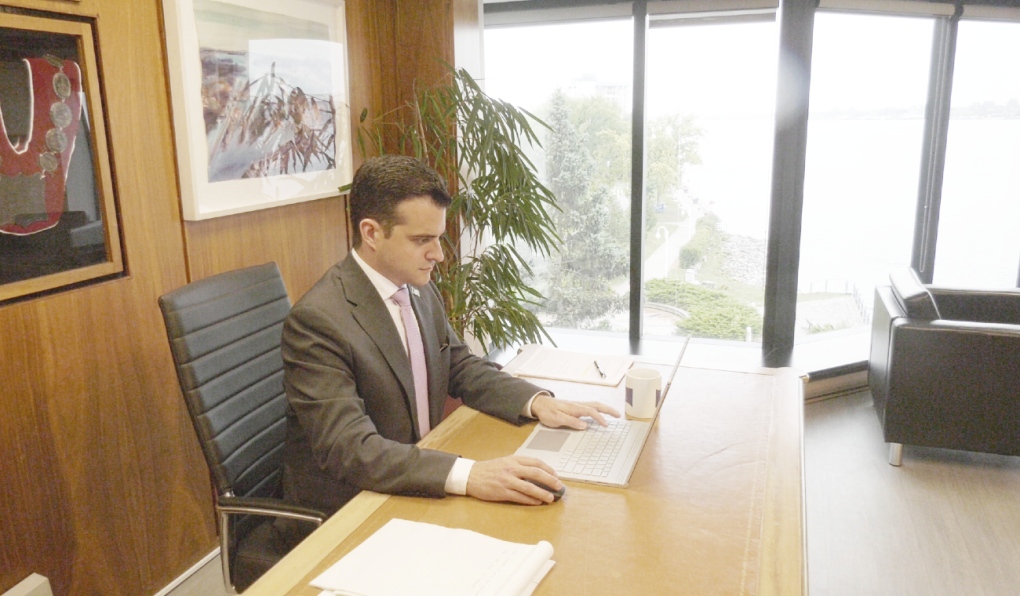

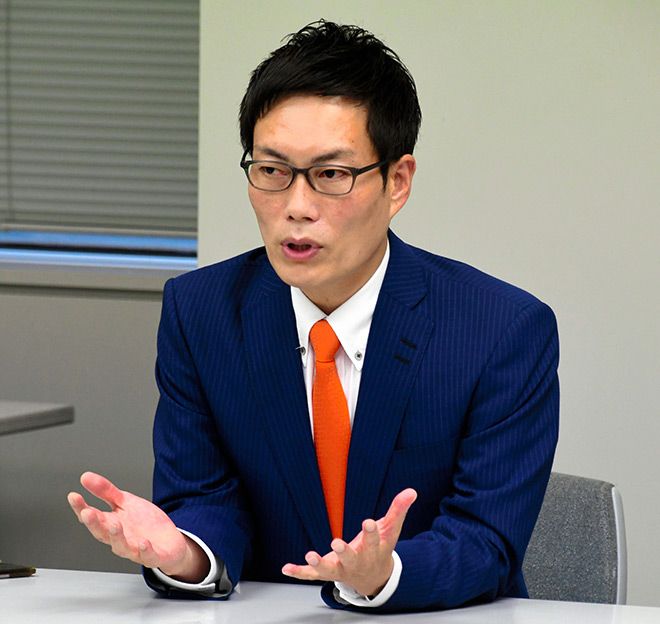
A wind power industry association routinely drafted Diet questions through coordination with a Lower House member arrested on suspicion of accepting bribes over the government’s offshore wind farm projects in exchange for questioning.
Masatoshi Akimoto, 48, is suspected of receiving requests for asking favorable questions from Masayuki Tsukawaki, 64, president of Japan Wind Power Development Co.
Akimoto is accused of accepting 61.46 million yen ($417,000) between 2019 and 2023 primarily as a reward for posing those questions in the Diet.
The Tokyo District Public Prosecutors Office believes that Tsukawaki’s company has a strong influence over the Japan Wind Power Association and that requests for questions through the trade group also benefitted the company’s operations, sources said.
Japan Wind Power Development’s vice chairman serves as president of the Japan Wind Power Association, which groups more than 500 related companies. Other senior company officials also hold important positions in the association.
The Japan Wind Power Association’s policies tend to reflect the company’s positions, according to a person close to the association.
According to sources, Akimoto coordinated Diet questions on offshore wind power projects with the association, which drafted questions it wanted the lawmaker to ask and also prepared reference materials.
One question coordinated in advance with the association was the one Akimoto asked at a subcommittee session of the Lower House Budget Committee in February 2022, sources said.
In December 2021, a consortium led by trading house Mitsubishi Corp. won three offshore wind farm projects in Akita and Chiba prefectures, undercutting rivals by large margins.
In the subcommittee session, Akimoto called on the government to review screening standards to prioritize the speed of a bidder’s business plan.
The proposed change would benefit companies such as Japan Wind Power Development, an industry pioneer that started preliminary discussions in prospective locations from early on.
Some members of the Japan Wind Power Association opposed the change, but Japan Wind Power Development overrode opponents to form an industry “consensus,” according to industry sources.
The Tokyo District Public Prosecutors Office’s special investigation squad arrested Akimoto on Sept. 7.
In a statement, Akimoto denied accepting bribes in exchange for asking questions in the Diet.
Tsukawaki, who resigned as company president on Sept. 1, has admitted that the money was, in part, a reward for Akimoto’s Diet questions.