


























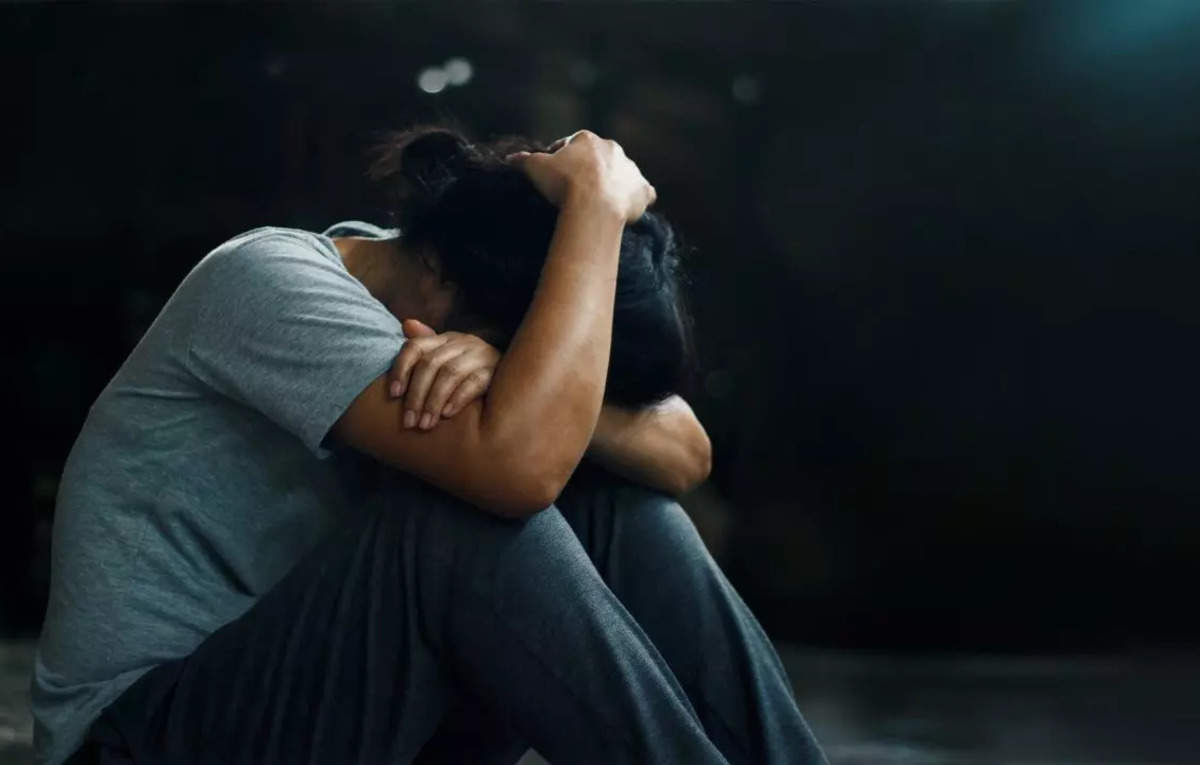



Depression, anxiety, fear: these emotional issues have become commonplace among today’s high school students.
Mental health problems among students have steadily climbed over the past few years. According to a 2022 statewide survey conducted by the Minnesota Department of Education, almost one third of Minnesota high schoolers are battling mental health issues, an increase of nearly 10 percentage points since 2016.
Although many factors play into this mental health crisis – such as lack of family support and the stigma surrounding mental illness – one of the most significant is the COVID-19 pandemic. The pandemic caused intense social isolation because of widespread school shutdowns and the many challenges of remote learning. Depression, anxiety, fear of getting sick, loss of family members and disconnection from the community weighed heavily on young people.
Because they had never experienced a situation like that before, many students did not recognize the signs of mental health strain, and if they did, they did not know where to turn for help.
COVID-19 “really led to this. All of a sudden there is another epidemic of our youth who are really experiencing intense mental health (problems),” said Neerja Singh, a 2023 Bush Fellow and the clinical director at the Minnesota Department of Human Services, specializing in mental health.
Singh said it is important that this mental health crisis be addressed quickly so that students do not stumble down harmful paths that only aggravate their emotional problems.
“This epidemic of untreated mental health [problems] can lead these students to rely on unhealthy coping strategies like self-harm, drug use, violence and involvement with the justice system,” said Singh.
The problem is even more difficult for students of color, Singh said. “They don’t get to see providers who speak their language, who look like them, who can really understand their struggles,” she said. Gender identity questions can also be a complicating factor.
The Minnesota Department of Education survey also revealed an apparent difference between boys and girls in the frequency of mental health issues. The survey indicated that nearly 50% of girls in 11th grade suffered from mental health issues and behavioral problems. But only 20% of boys reported those issues in the same survey.
However, such surveys might not be an accurate indicator of how many boys are dealing with mental health issues. Boys often struggle with opening up about these difficulties because they see it as a sign of vulnerability. Speaking up takes courage, Singh said.
“The culture of the stereotypes needs to really be addressed, and we want more and more men to be role models for boys to come forward and say, ‘Yes, I need help,’” said Singh.
The effects of not seeking help can be serious, both emotionally and academically. Singh explained that mental health problems often result in a decrease in academic performance, which in turn may lead to fewer career opportunities and lower lifetime incomes.
The Department of Human Services is trying to get more mental health professionals into schools and connect them with students who need help, but there’s an acute shortage of providers.
Singh is passionate about addressing the stigma surrounding mental health in Minnesota, and strongly urges families and the community to step up their support for these young people.
When children fail to achieve their full potential, families and society as a whole suffer, Singh said. “(These children) are my future. They are your future. They are this community’s future.”
About these reports

These reports were created by ThreeSixty Journalism’s summer 2023 News Reporter Academy high school students under MinnPost’s leadership and in partnership with the Center for Prevention at Blue Cross Blue Shield of Minnesota.
ThreeSixty Journalism

ThreeSixty Journalism empowers diverse students with valuable leadership and storytelling skills, prepares them for college and career success, and fosters more-representative truth telling. Leading the way in developing multicultural storytellers in the media arts industry, ThreeSixty invites highly motivated high school students to discover and amplify their voices through immersive college success programming at the University of St. Thomas College of Arts and Sciences. Launched in 1971 as an Urban Journalism Workshop chapter, the program has been part of St. Thomas for more than 20 years. To learn more, visit threesixty.stthomas.edu.