





















1. Stay Hydrated:
Drink plenty of water throughout the day. Sometimes, thirst can be mistaken for hunger.
2. Set Clear Goals:
Define your weight loss objectives, such as the amount of weight you want to lose and the timeframe for achieving it.
3. Create a Balanced Diet Plan:
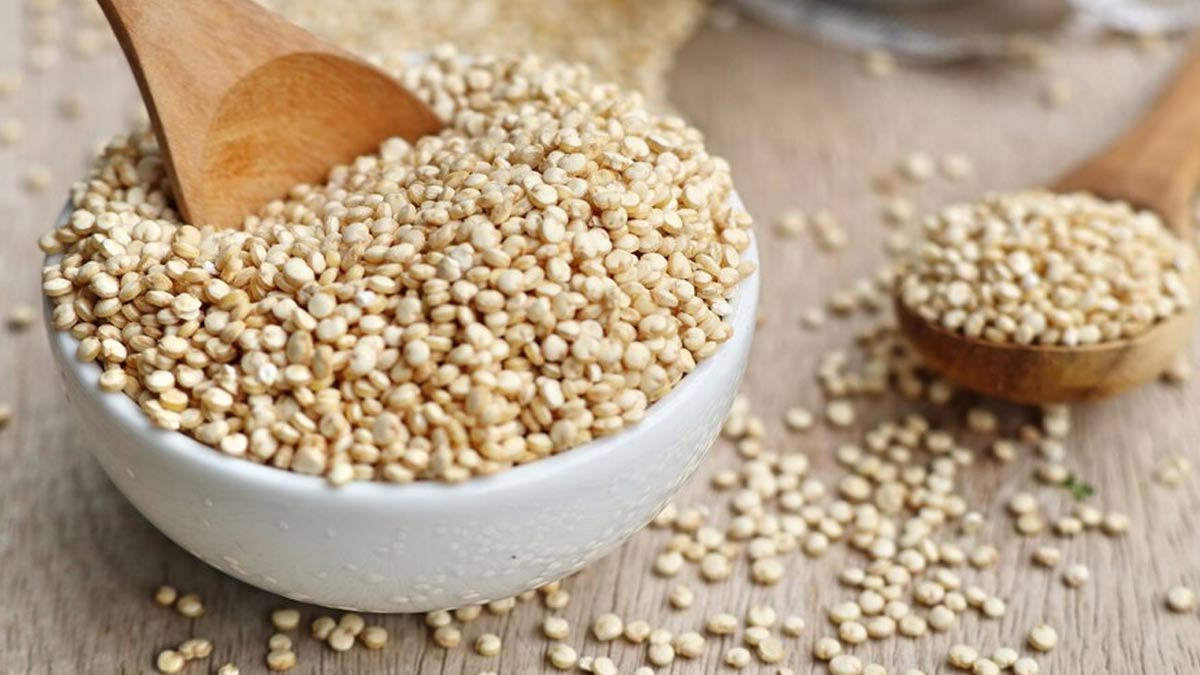
Consult with a nutritionist or dietitian to design a personalized diet plan that includes a variety of nutrients, lean proteins, whole grains, fruits, and vegetables.
4. Portion Control:
Measure your food portions to avoid overeating. Use smaller plates to help control portion sizes.
5. Regular Meal Times:
Stick to a consistent eating schedule with evenly spaced meals and snacks to keep your metabolism active.
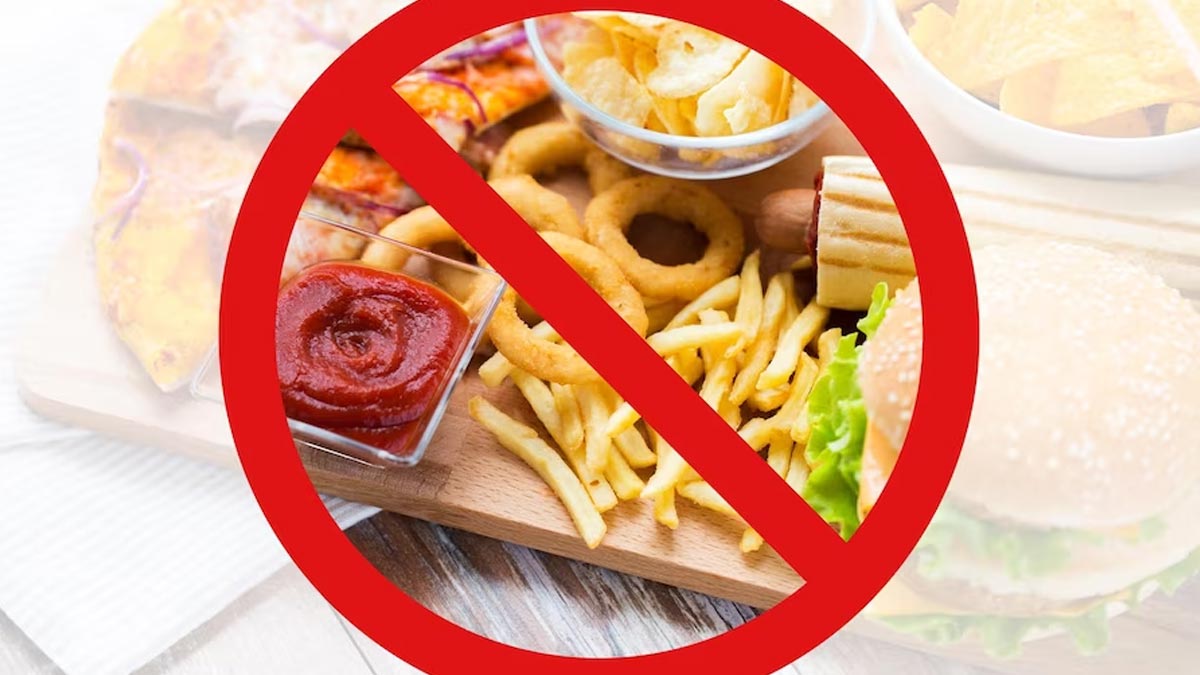
6. Limit Processed Foods:
Minimize the consumption of processed and high-sugar foods, which can lead to weight gain and health issues.
7. Avoid Liquid Calories:
Cut back on sugary beverages, including sodas and fruit juices. Opt for water, herbal tea, or black coffee instead.
8. Include Protein:
Incorporate lean protein sources like poultry, fish, tofu, and legumes into your meals. Protein helps with muscle preservation and satiety.
9. Track Your Progress:
Maintain a food diary to monitor your daily intake and assess your progress. This can help identify areas where you may need to adjust your diet.
10. Seek Support:
Enlist the support of friends, family, or a weight loss group to help you stay accountable and motivated during your journey.